
Roman Fashion
Beyond the Obvious
A certain way of seeing
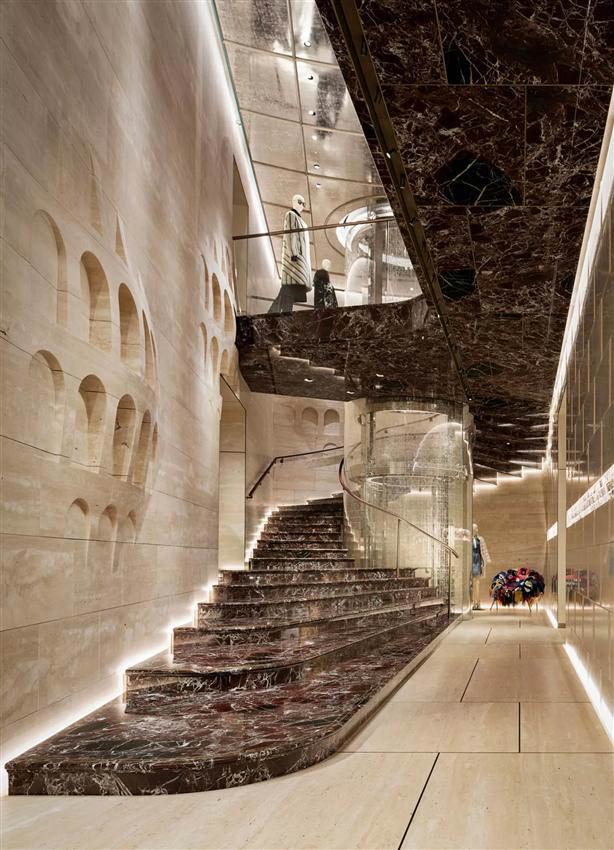
Rome has always had a particular relationship with beauty.
Perhaps it comes from living with it so closely. Art, architecture, cinema, craftsmanship and history are not distant references here; they belong to the everyday landscape.
Fashion inevitably became part of this conversation.
And yet Rome has never expressed it through a single idea of elegance. Over the course of a century, the city has inspired remarkably different creative visions — sometimes refined, sometimes theatrical, sometimes radical, often deeply personal.
The story begins well before the Dolce Vita.
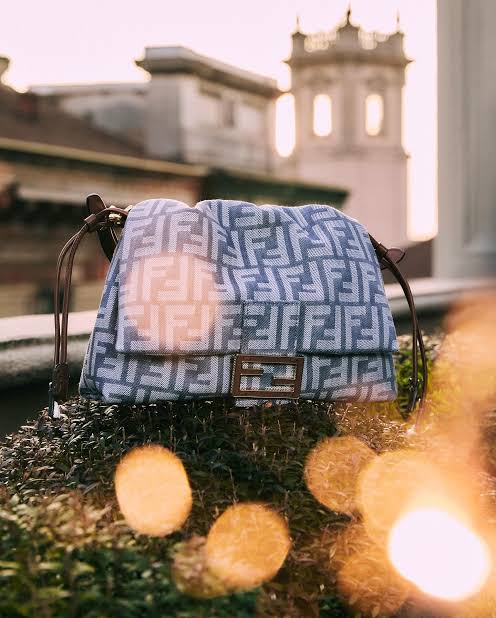
Fendi was founded in Rome in 1925, establishing a relationship between craftsmanship and experimentation that would evolve through the five Fendi sisters and, later, the extraordinary creative dialogue with Karl Lagerfeld.
Then came the post-war years.
Rome was changing. Cinecittà brought international cinema to the city, Hollywood stars arrived, and the ateliers of Roman couturiers became part of a new cultural landscape in which fashion, film and society moved increasingly close to one another.
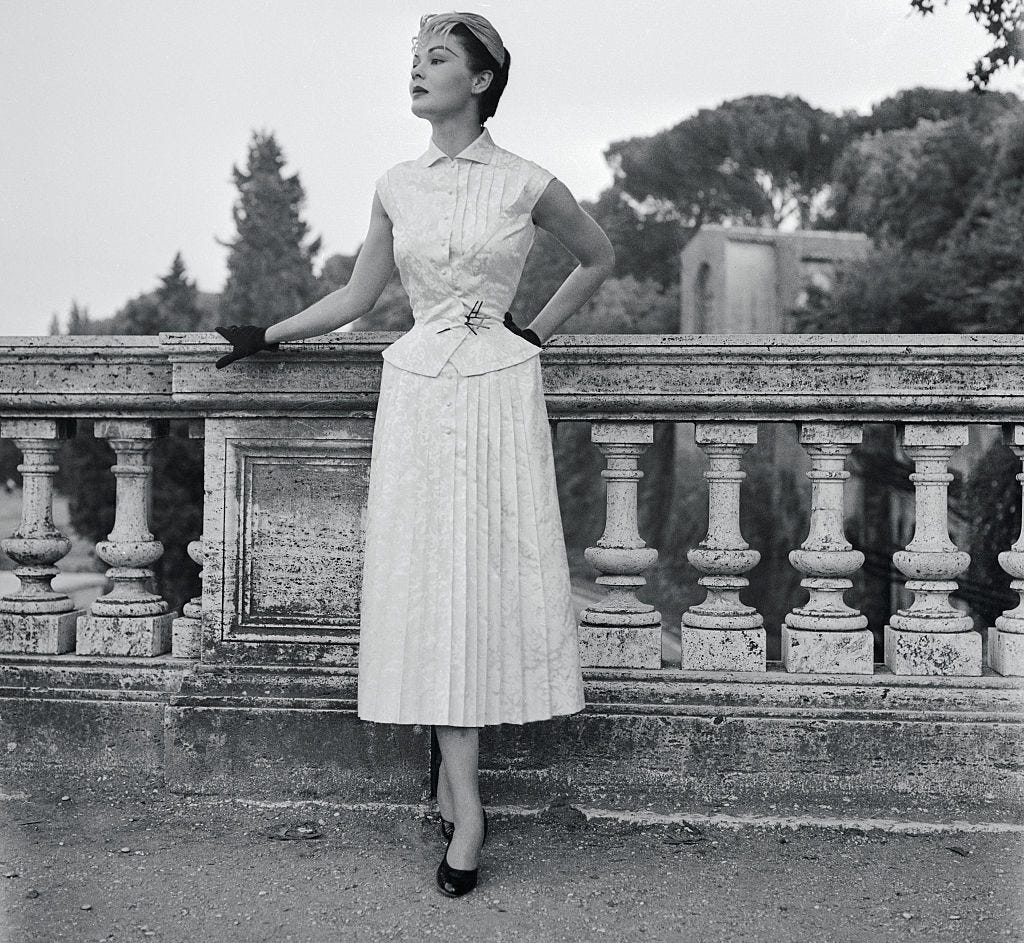
The Fontana Sisters captured the elegance and optimism of that moment, dressing women whose images travelled around the world.
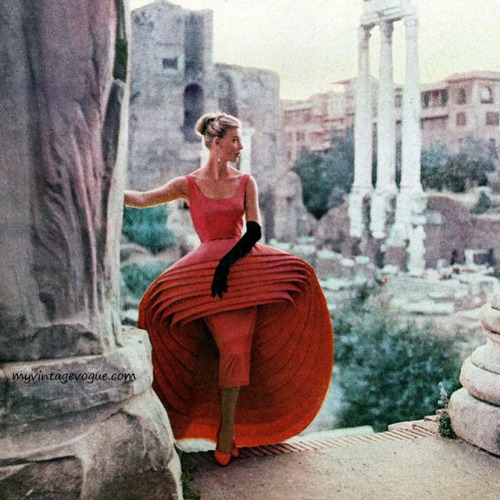
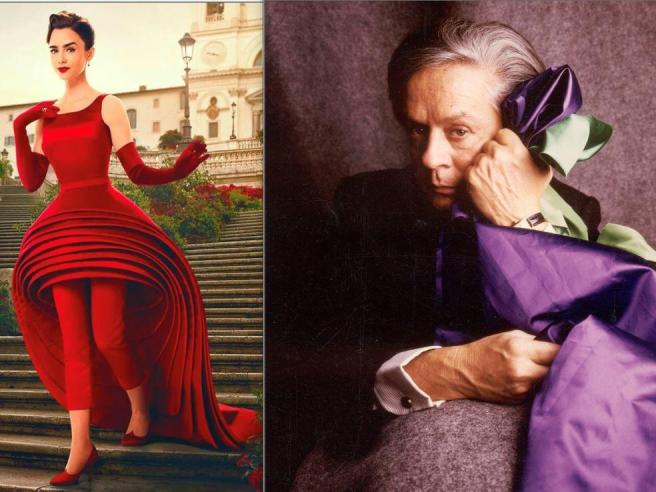
Emilio Schuberth brought glamour and theatricality to Roman couture, while Roberto Capucci, who opened his first atelier in Via Sistina in 1950, pursued an entirely different idea of fashion. His extraordinary exploration of colour, volume and construction gradually brought the dress into a territory somewhere between design, architecture and sculpture.
By the end of the decade, another story was beginning.
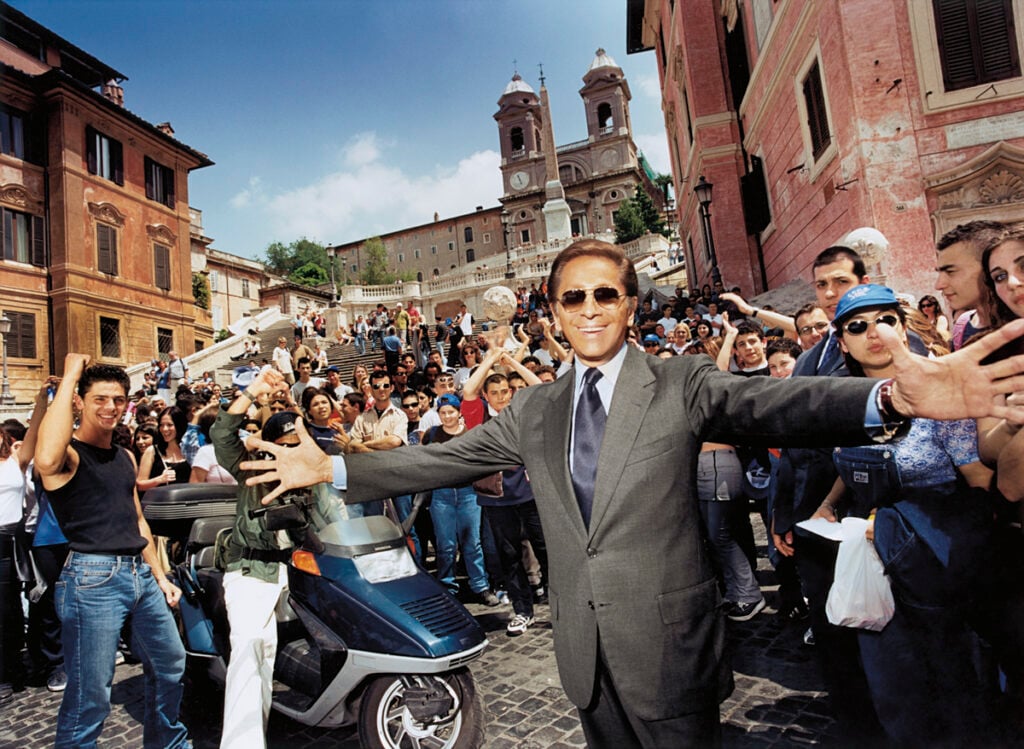
Valentino Garavani, born in Voghera and trained in Paris, chose Rome as the place to create his Maison. Together with Giancarlo Giammetti, he developed a vision in which femininity, proportion, craftsmanship and an uncompromising attention to beauty became an international language.
From Jacqueline Kennedy to some of the most celebrated women of their time, Valentino’s creations came to embody an idea of elegance that was unmistakably his own.
Around him, Roman couture continued to evolve.
Fausto Sarli explored the relationship between construction, movement and the female form. Renato Balestra developed a world of colour, glamour and sophisticated femininity.
And Laura Biagiotti, born in Rome, introduced another sensibility altogether.
Her language was one of softness, precious materials and an apparently effortless femininity. Cashmere became inseparable from her name, while art and Rome remained constant presences in her work and in her life.
Her relationship with the city extended beyond fashion itself — through cultural patronage, the preservation of its artistic heritage and even Roma, the fragrance that carried the name of the city around the world.
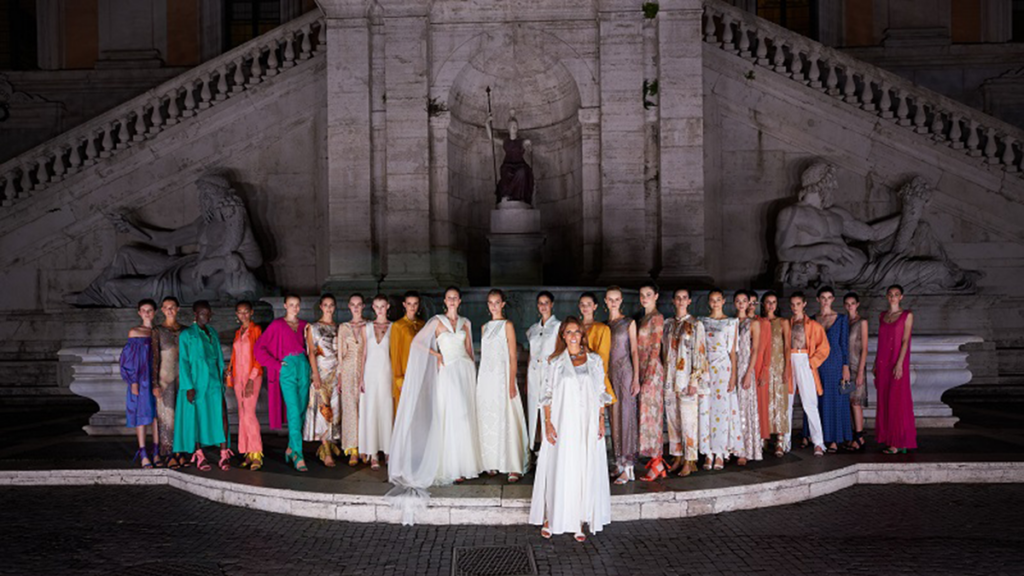
Today, Lavinia Biagiotti continues that story, bringing the Maison into another generation while maintaining its dialogue with art, culture and Rome.
The geography of Roman fashion becomes even more intriguing when we look at the contemporary generation.
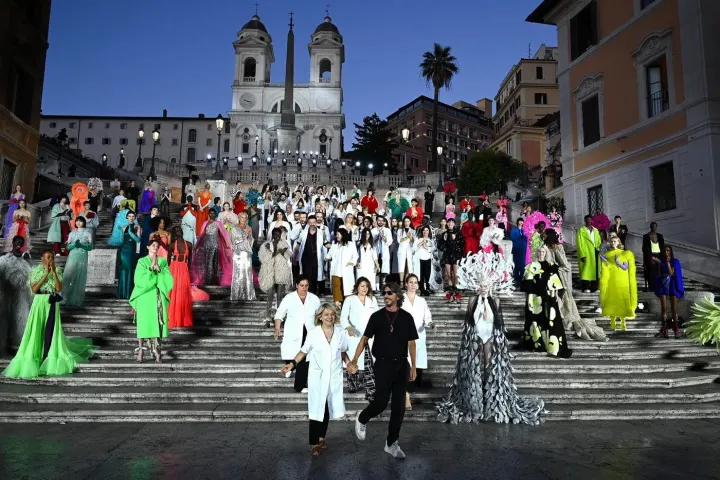
Pierpaolo Piccioli and Maria Grazia Chiuri spent years together at Valentino, initially working within the world created by Garavani and eventually developing their own creative identities.
Piccioli’s work increasingly explored emotion, individuality and a profoundly human interpretation of couture. Today, he brings that sensibility to Balenciaga.
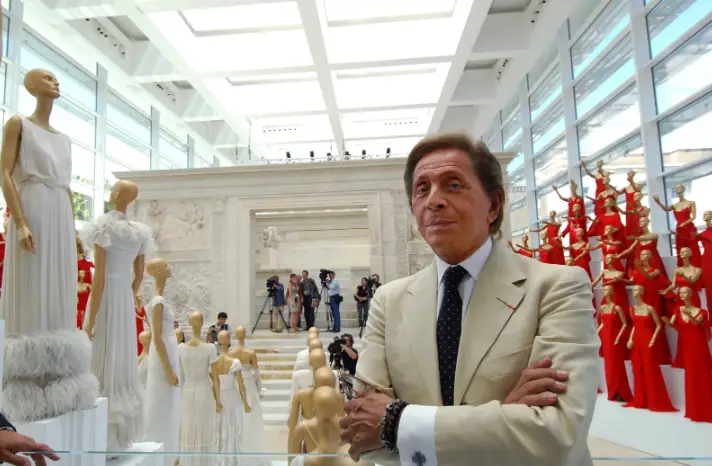
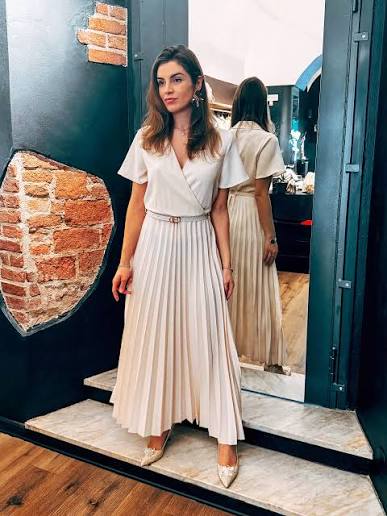
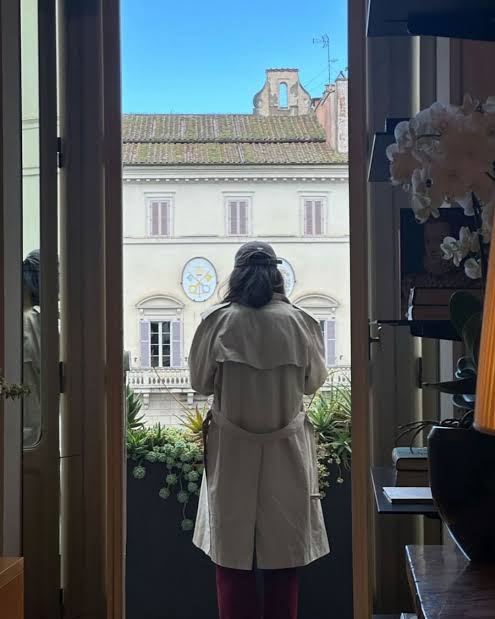
Chiuri followed a different path. Having begun her career at Fendi, she moved to Valentino before becoming, in 2016, the first woman to lead Dior’s womenswear creative direction. Today she is back at Fendi, returning to the Roman Maison where her career began.
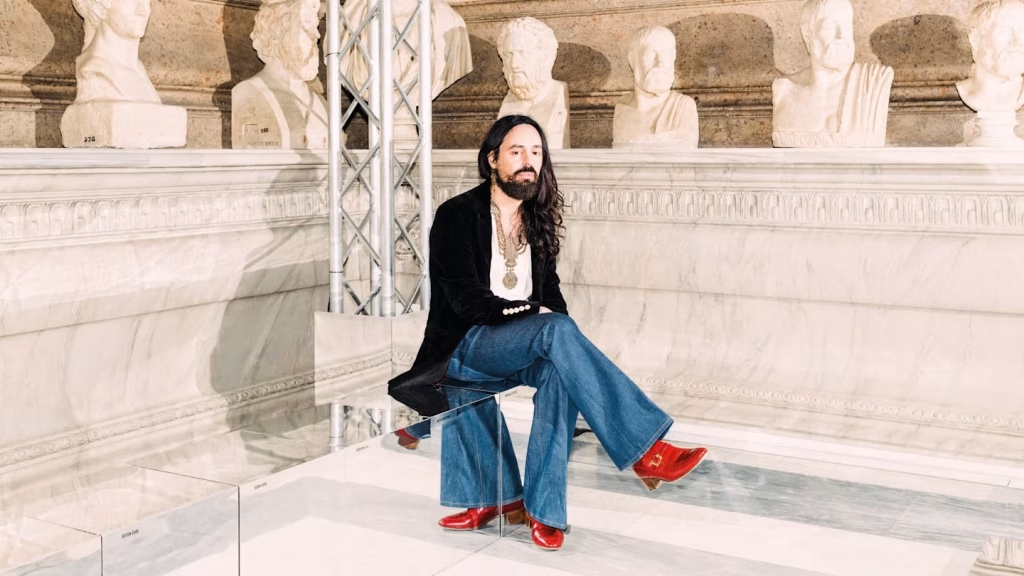
Alessandro Michele, Roman by birth and education, also passed through Fendi before moving to Gucci. There, his intensely personal combination of history, art, memory, gender and imagination became one of the most recognisable creative languages in contemporary fashion.
Today, he is Creative Director of Valentino.
The connections are almost as compelling as the individual stories themselves.
Fendi. The Fontana Sisters. Schuberth. Capucci. Valentino. Sarli. Balestra. Biagiotti. Piccioli. Chiuri. Michele.
Names belonging to different generations, different worlds and profoundly different ideas of beauty.
Seen together, they reveal a less familiar side of Rome: a city whose relationship with fashion has never been defined by a single aesthetic, but by the remarkable diversity of the visions it has inspired.
Some were born here. Others chose Rome. Others encountered the city at decisive moments in their creative lives.
What emerges across the decades is something more subtle than a common style: a particular sensitivity to beauty, culture and the freedom to reinterpret both.
Perhaps Rome encourages this precisely because beauty here is never isolated.
The monumental exists beside the intimate. Antiquity beside experimentation. Perfection beside imperfection. A Renaissance palace, a film studio, an artisan’s workshop and the disorder of everyday life all belong to the same visual experience.
For a creative mind, such abundance can become less a model to follow than an invitation to develop a point of view.
Valentino’s idea of beauty could hardly be more different from Capucci’s. Biagiotti’s sensibility is far removed from Michele’s. Fendi’s continuous experimentation follows yet another path.
And still, Rome is there.
Sometimes visibly.
Sometimes almost imperceptibly.
Perhaps this is its most enduring influence on fashion: not the definition of an aesthetic, but the cultivation of a gaze.
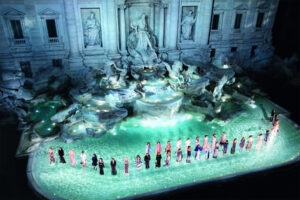
Of allowing history to enter the present without becoming nostalgia.
Of looking at something familiar and finding another perspective.
Beyond the obvious.
There are many more stories behind the relationship between Rome and fashion than could ever belong to a single article.
In the next issues of DO YOU KNOW?, we will return to them — exploring the Maisons, designers, ateliers, artisans and places that have shaped this extraordinary creative landscape, each through its own history and identity.
Because Rome, like fashion, always offers another way of looking.
With a certain regard.
